Pulse
- Transcript
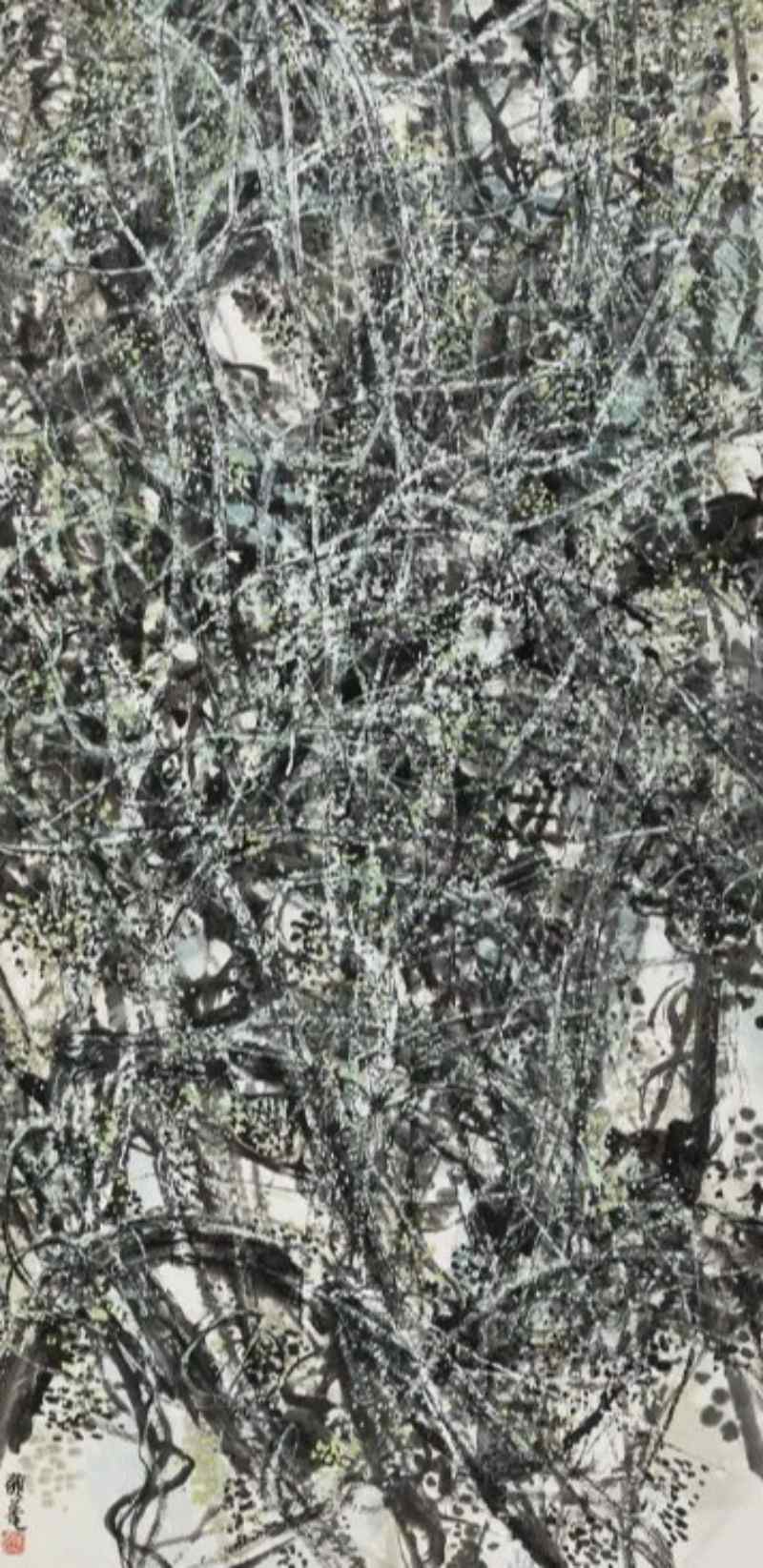
- Lee Ungno's Pulse was exhibited in France in 1958. This exhibition marked a turning point for abstract painting in Korea's Eastern painting circle due to its abstract nature. The work fills the screen with brushstrokes in an “all-over painting” style, where the entire canvas is uniformly covered.
Some consider Pulse the first abstract expressionist work in Korean art, influenced by American abstract expressionism introduced through magazines like TIME and LIFE and touring exhibitions. However, this view is debated, as the impact of American 1950s art on Korean art was limited. Instead, Pulse originates from Eastern painting’s calligraphic style.
In the 1950s, Lee sought to create expressive paintings based on the traditional idea that calligraphy and painting share the same origin. He believed that calligraphy’s basics, like the movement of lines and the relationship between ink and blank space, were foundational to abstract art. Lee stated, “The world of calligraphy has something in common with abstract painting.”
Pulse is based on calligraphy derived from pictograms. It features intertwined vines, resembling wisteria, with leaves depicted as dots. Painted with light colors like watercolor, the work is full of vitality, capturing the essence of nature as the title suggests. Enjoy how Lee Ungno blends tradition and modernity in this captivating piece.
Lee Ungno
 Back to homepage
 Back
Back